
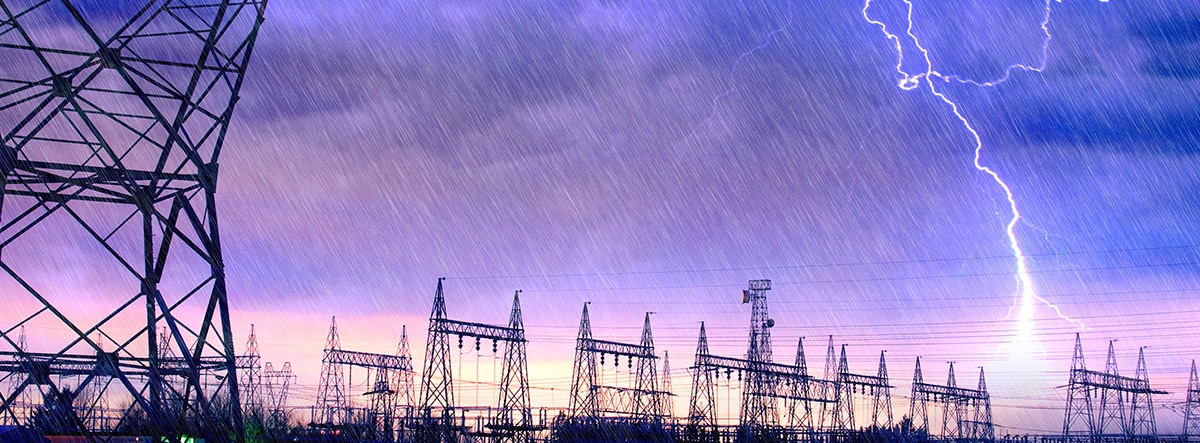
Commercial Generator Buyer's Guide
How to Pick the Perfect Commercial Generator

The lights flicker, communications go down, productivity comes to a screeching halt, millions of dollars in goods are put at risk... The list is endless, but it all adds up to one thing — lost profits.
Risking the failure of your business on something so sure as a power outage is a risk you and your shareholders cannot afford to take. Having a commercial backup generator can be the difference between a profitable and unprofitable business in any given fiscal year and will pay for itself in just a single power outage.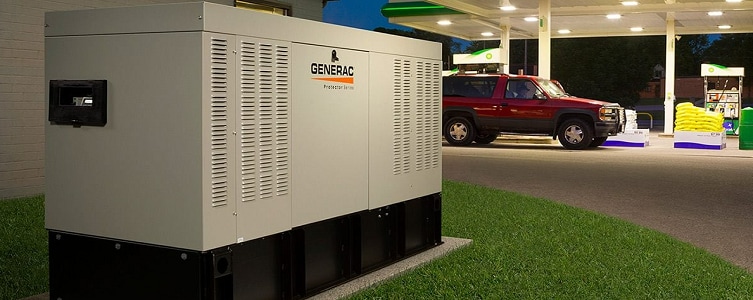
Why Your Business Can't Afford a Power Failure
If your company has ever experienced a power outage, no matter how brief, then you know how quickly things can go awry. Operating expenses do not stop just because the meter does. During one of California's forced blackouts, the economic costs were expected to soar past $2 billion!
You have four main options for commercial-grade backup power:
- Professional portable generators pack a lot of power into a small, moveable unit. However, they are not designed to power entire buildings or commercial operations. They are great for local jobsites and basic remote operations. Learn more about professional portable generator applications and uses.
- Towable generators combine standby-level power with jobsite portability. Towable, skid-mount, and light tower options help you bring serious power wherever there's a job to be done. Learn more in our tow-behind generator buyer's guide.
- Commercial mobile generators: If make your living out of an RV, you need a commercial mobile genrator that's capable of powering everything you need for the job. Check out our guide to mobile food truck generators, which are the most common application we see.
- Commercial standy generators are permanently-installed, automatic sources of backup power that can safeguard your entire operation. They will help maintain revenue flows, protect your employees, and keep customers happy during a power disruption. They are the focus of this guide.
How Does a Commercial Standby Generator Work?
 Once installed, commercial standby generator systems automatically detect when the power goes out. At that point, they switch themselves on without you having to lift a finger.
The "brain" of a commercial standby unit is its automatic transfer switch, which cuts the utility line during an outage and simultaneously connects a new power line from your generator to the main panel. Power is restored within seconds. When the transfer switch detects that utility power has returned, it switches off generator power and returns to standby mode.
Commercial standby generators have more fortified components over consumer models. The steel is a thicker gauge, the engine is larger and typically liquid-cooled, and the internal electronics are more robust. In short, commercial standbys are designed to handle the higher wattages and heat associated with longer run times and are the best solution for backing up high-demand applications.
Prime Power Generators
For commercial applications that are off-grid and require a generator as their primary (not backup) source of electricity, prime power generators are the solution. They are designed to run 24/7 with regularly-scheduled maintenance. Learn more about prime power generators.
Choosing a Commercial Standby Generator
The following are important considerations to make when selecting your commercial standby generator.
Sizing
Sizing a commercial generator is an involved process with many variables. Unlike with a residential unit, it's not just a matter of adding up wattages of desired appliances. For this reason, we recommend hiring an electrician to perform a professional sizing. You don't want to make such a large investment on a guess.
Fuel
There are several fuel options available for commercial standy generators, including natural gas, propane, gasoline, and diesel.
Of these options, diesel is typically considered to be superior for heavy commercial use due to its higher power and efficiency. To learn more about diesel and how it compares to other fuel types, read our diesel generator buyer's guide.
Power Phase
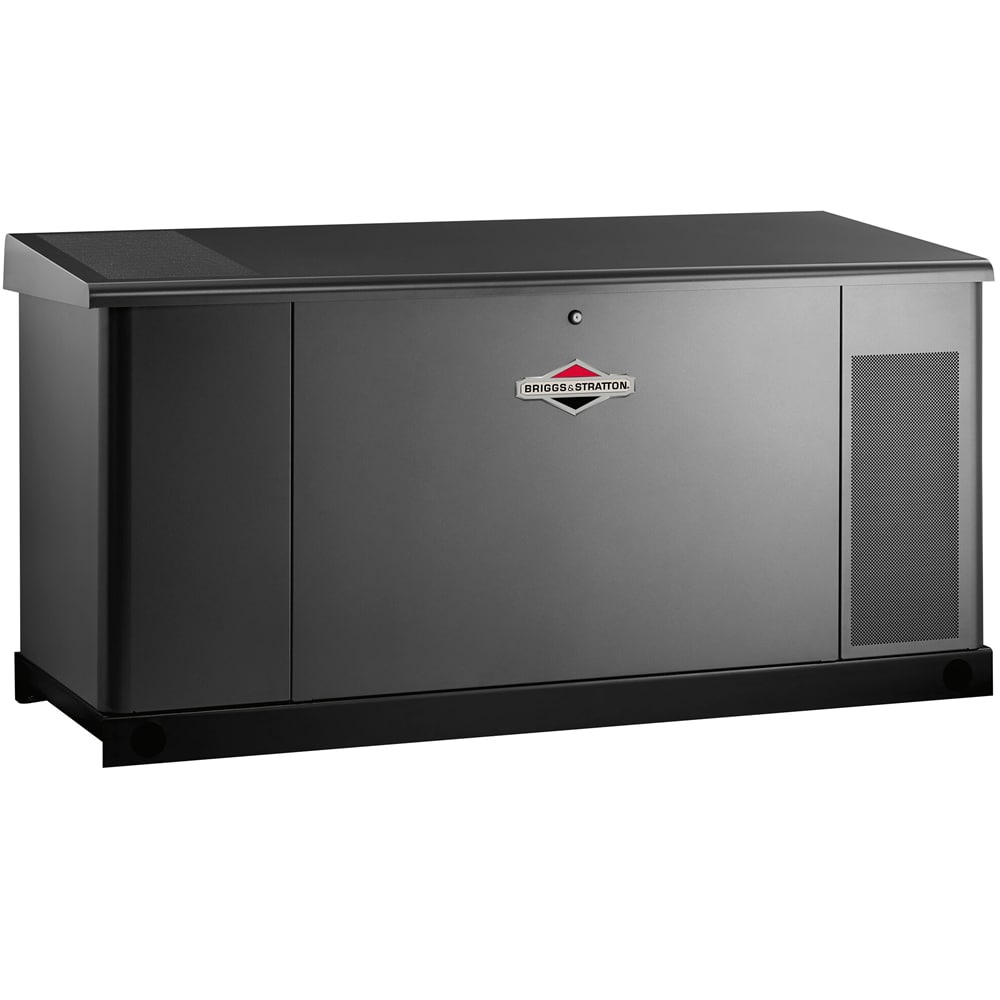 While the utility power coming into your house is known as “single-phase” and powers 120/240-volt household appliances, the utility power for your business typically is three-phase which supports a larger electrical demand.
Single-Phase
Like many homes, smaller businesses may only require a single-phase generator. These generators produce 240 volts, matching what the utility company supplies.
Single-phase generators are used for most small businesses since they only need to power basic electronics instead of heavy machinery. As a result, single-phase generators will also work in any home that has regular power needs.
Three-Phase
Large manufacturing companies, farms, and other heavy-duty operations may require three-phase power for special three-phase equipment. It's best to check with your utility company first, but you'll more than likely need a three-phase generator in a commercial environment. Learn more about three-phase power.
Commercial Generator Questions
Electric Generators Direct prides itself on giving you the knowledge you need to make a wise decision. Our commercial generator experts are here to help you pick the perfect power solution that will keep your commercial business up-and-running no matter what the weather.
 NEXT: Contact a Generator Expert
Standby Generator Navigation
Main | Essential Circuit Standby | Whole House Standby | Commercial Standby | Standby Sizing Calculator | Automatic Transfer Switches | Installation | Accessories
Share My Personal Information\":{\"href\":\"https:\\\/\\\/ferguson.bigidprivacy.cloud\\\/consumer\\\/#\\\/dMf02ovZbN\\\/Form-NHWperWAaFNVIQK\",\"title\":\"Do Not Sell or Share My Personal Information\"}},\"About Us\":{\"Our Story\":{\"href\":\"https:\\\/\\\/www.powerequipmentdirect.com\\\/stories\\\/1982-How-We-Make-Buying-Technical-Products-Simple.html\",\"title\":\"Electric Generators Direct's Story\"},\"Careers\":{\"href\":\"https:\\\/\\\/www.powerequipmentdirect.com\\\/stories\\\/1924-Job-Openings.html\",\"title\":\"Careers @ Power Equipment Direct\"},\"Newsroom\":{\"href\":\"newsreleases.php\",\"title\":\"Electric Generators Direct News Center\"}},\"Contact Us\":{\"phone\":\"800-800-3317\",\"hours\":[\"M-F: 8-5 CST\",\"Sat: Closed\",\"Sun: Closed\"]}}","storeLinkJSON":"{\"AC Wholesalers\":{\"href\":\"https:\\\/\\\/www.acwholesalers.com\",\"title\":\"AC Wholesalers\"},\"Air Compressors Direct\":{\"href\":\"https:\\\/\\\/www.aircompressorsdirect.com\",\"title\":\"Air Compressors Direct\"},\"eComfort\":{\"href\":\"https:\\\/\\\/www.ecomfort.com\",\"title\":\"eComfort\"},\"Electric Generators Direct\":{\"href\":\"https:\\\/\\\/www.electricgeneratorsdirect.com\",\"title\":\"Electric Generators Direct\"},\"Power Equipment Direct\":{\"href\":\"https:\\\/\\\/www.powerequipmentdirect.com\",\"title\":\"Power Equipment Direct\"},\"Pressure Washers Direct\":{\"href\":\"https:\\\/\\\/www.pressurewashersdirect.com\",\"title\":\"Pressure Washers Direct\"},\"Sump Pumps Direct\":{\"href\":\"https:\\\/\\\/www.sumppumpsdirect.com\",\"title\":\"Sump Pumps Direct\"},\"Water Pumps Direct\":{\"href\":\"https:\\\/\\\/www.waterpumpsdirect.com\",\"title\":\"Water Pumps Direct\"}}","socialLinkJSON":"{\"Facebook\":{\"href\":\"https:\\\/\\\/www.facebook.com\\\/electricgeneratorsdirect\",\"icon\":\"icon-facebook\",\"title\":\"Facebook\"},\"Twitter\":{\"href\":\"http:\\\/\\\/twitter.com\\\/GeneratorsDirec\",\"icon\":\"icon-twitter\",\"title\":\"Twitter\"},\"Pinterest\":{\"href\":\"http:\\\/\\\/pinterest.com\\\/generatorsdirec\\\/\",\"icon\":\"icon-pinterest\",\"title\":\"Pinterest\"},\"YouTube\":{\"href\":\"https:\\\/\\\/www.youtube.com\\\/user\\\/ElectricGenerators\\\/\",\"icon\":\"icon-youtube\",\"title\":\"YouTube\"},\"Instagram\":{\"href\":\"https:\\\/\\\/www.instagram.com\\\/powerequipmentdirect\\\/\",\"icon\":\"icon-instagram\",\"title\":\"Instagram\"},\"LinkedIn\":{\"href\":\"https:\\\/\\\/www.linkedin.com\\\/company\\\/power-equipment-direct\\\/\",\"icon\":\"icon-linkedin\",\"title\":\"LinkedIn\"}}","miscLinkJSON":"{\"Terms of Use\":{\"href\":\"terms-of-use.php\",\"title\":\"Terms of Use\"},\"Privacy Policy & Security\":{\"href\":\"privacy.php\",\"title\":\"Privacy Policy and Security\"},\"Cookie Policy\":{\"href\":\"privacy.php#cookiePolicy\",\"title\":\"Cookie Policy\"},\"CA Privacy Rights\":{\"href\":\"privacy.php#californiaPrivacyRights\",\"title\":\"CA Privacy Rights\"},\"copyright\":\"© 2024 Power Equipment Direct. All Rights Reserved\"}","checkoutMiscLinkJSON":"{\"Privacy Policy & Security\":{\"href\":\"privacy.php\",\"title\":\"Privacy Policy and Security\"},\"Cookie Policy\":{\"href\":\"privacy.php#cookiePolicy\",\"title\":\"Cookie Policy\"},\"Terms of Use\":{\"href\":\"terms-of-use.php\",\"title\":\"Terms of Use\"},\"copyright\":\"© 2024 Power Equipment Direct. All Rights Reserved\"}","expertJSON":{"imageURL":"https:\/\/www.powerequipmentdirect.com\/images\/experts\/expert-main-7.png","href":"\/generator-product-expert.php","title":"Contact Jared @ Electric Generators Direct","expertName":"Jared","expertTitle":"Generator Expert"},"bbbJSON":{"imageURL":"https:\/\/www.powerequipmentdirect.com\/images\/badge-bbb.png","imageAlt":"Better Business Bureau\u00ae","href":"http:\/\/www.bbb.org\/chicago\/business-reviews\/industrial-equipment-and-supplies\/power-equipment-direct-in-bolingbrook-il-57001088","title":"Electric Generators Direct - A+ Rating - Better Business Bureau\u00ae"},"zipCode":null,"phoneNumber":"800-800-3317","loginToken":"page cache precludes the use of csrf tokens","iterable":"e4b27e68b9c84fbb940829a0a9ee29d7","newNav":false}